
Gastric Sleeve Surgery in Dubai
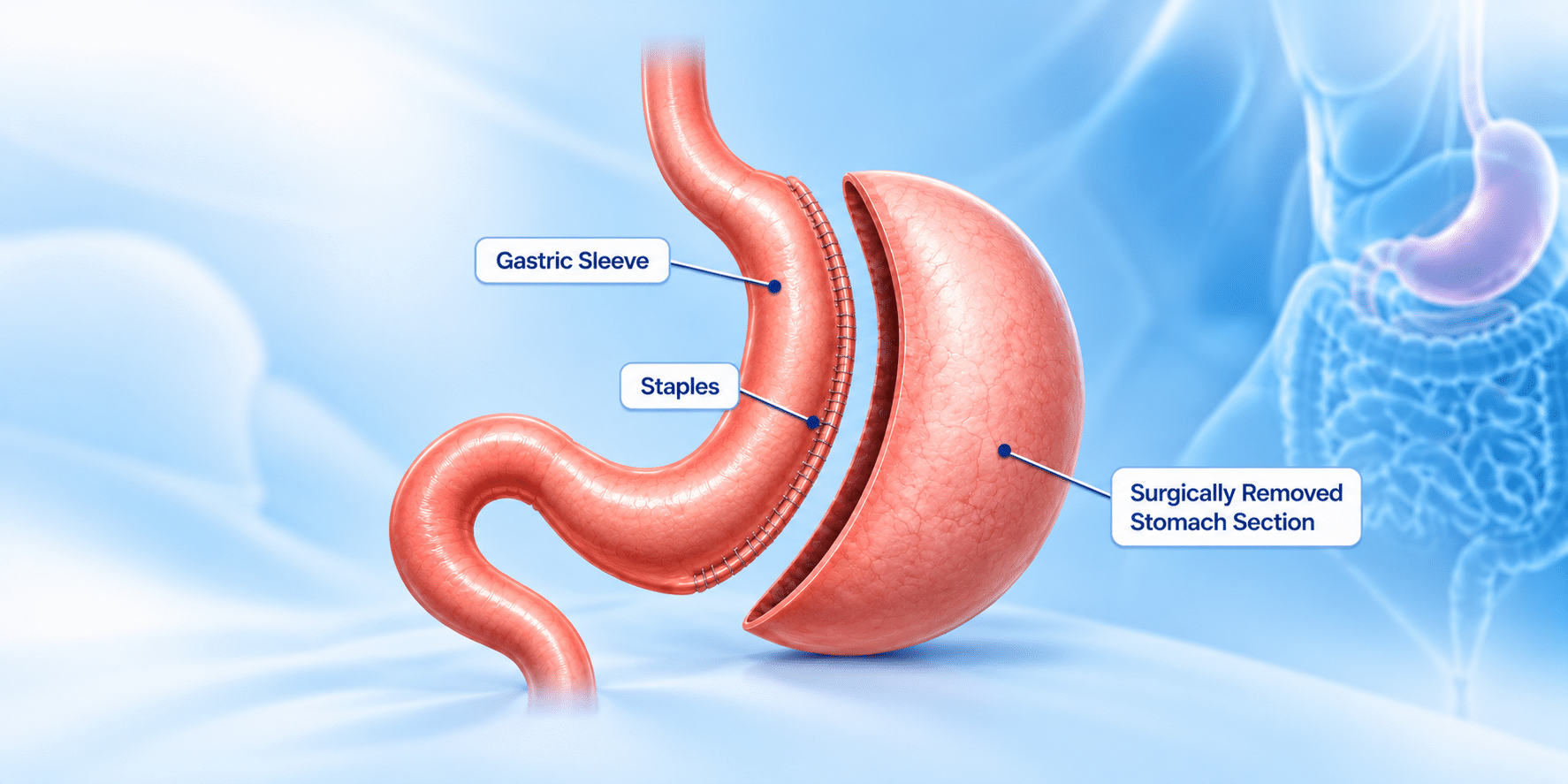
Gastric sleeve surgery is a weight-loss procedure that reduces the size of the stomach to help manage obesity and support long-term weight loss. Also known as sleeve gastrectomy, the procedure is commonly performed using a laparoscopic technique, which involves small abdominal incisions and specialised surgical instruments.
Dr. Girish Juneja, Laparoscopic and Bariatric Surgeon, offers consultations for patients exploring gastric sleeve surgery in Dubai. Your suitability for surgery depends on your BMI, medical history, obesity-related health conditions and individual weight-management goals.
What is Gastric Sleeve Surgery?
Gastric sleeve surgery, medically known as sleeve gastrectomy or vertical sleeve gastrectomy, is a type of metabolic and bariatric surgery used to treat obesity. During the procedure, a surgeon removes a large portion of the stomach, leaving behind a narrower, tube-shaped stomach.
Approximately 75–80% of the stomach is commonly removed, although the surgical approach depends on individual circumstances. The smaller stomach holds less food, helping patients feel full sooner and consume smaller portions. Changes in gut hormones involved in hunger and fullness may also contribute to weight loss.
Unlike gastric band surgery, gastric sleeve surgery does not require an adjustable band around the stomach. Unlike gastric bypass, it does not involve rerouting the intestines. However, the removal of stomach tissue is permanent.
Gastric sleeve surgery is not a cosmetic procedure or a standalone solution for obesity. It is part of a long-term treatment plan that includes nutritional changes, physical activity, behavioural support and ongoing medical follow-up.
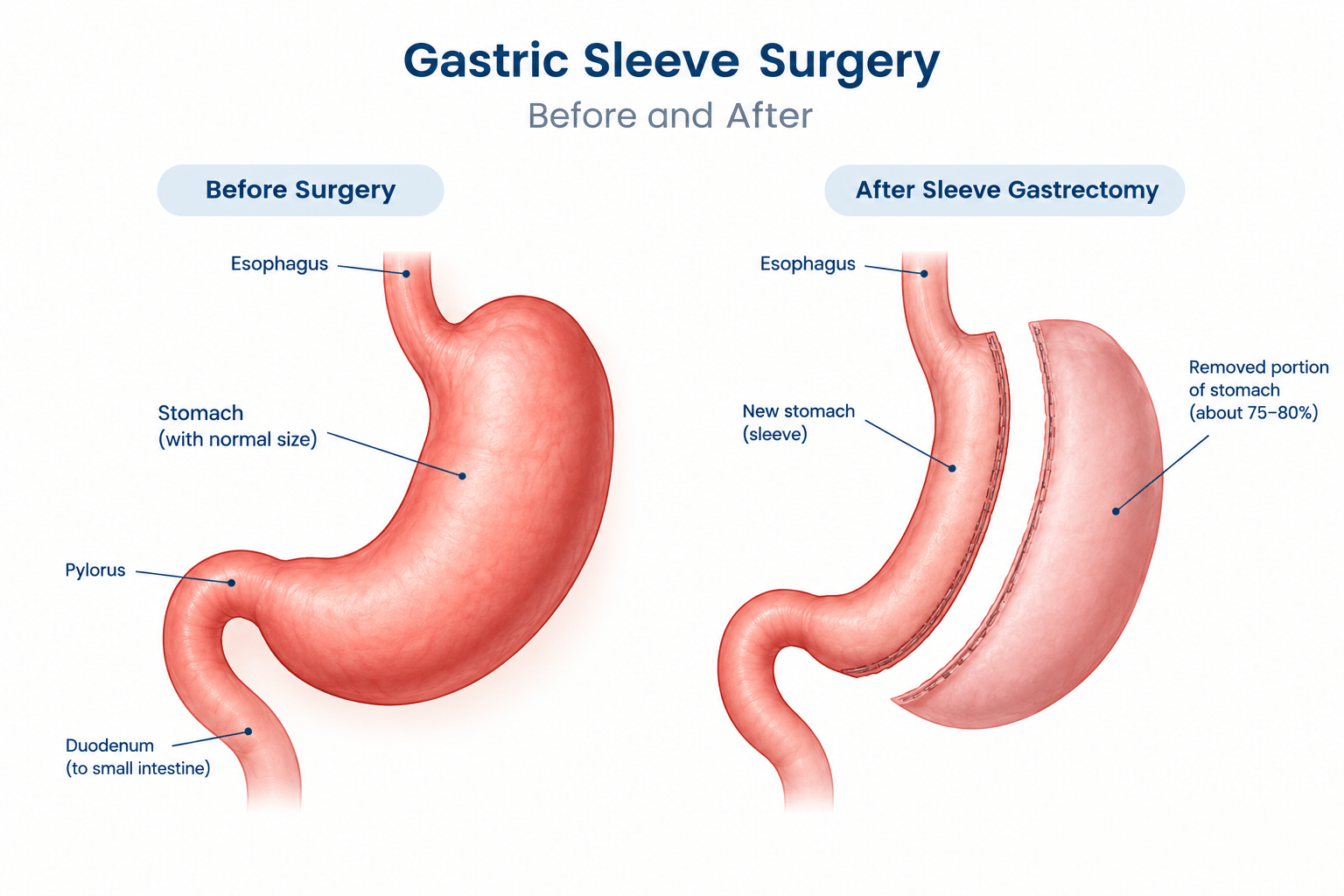
How Does Gastric Sleeve Surgery Work?
Gastric sleeve surgery supports weight management through a combination of physical and hormonal changes.
1. Reduces Stomach Capacity
The smaller stomach holds less food at one time. Patients generally need smaller portions to feel satisfied.
2. Influences Hunger and Fullness
Sleeve gastrectomy can change levels of gut hormones involved in appetite regulation, including ghrelin. These changes may reduce hunger in some patients, although individual responses vary.
3. Supports Long-Term Weight Management
The procedure can help eligible patients achieve substantial weight loss. Long-term results depend on individual health, dietary habits, physical activity and adherence to follow-up care.
4. May Improve Obesity-Related Health Conditions
Weight loss after gastric sleeve surgery may improve conditions such as type 2 diabetes, high blood pressure and obstructive sleep apnoea.
The degree of improvement varies, and some patients continue to require medication or other treatments.
What Are the Benefits of Gastric Sleeve Surgery?
For appropriately selected patients, gastric sleeve surgery may provide several health and lifestyle benefits.
1. Significant Weight Loss
Many patients experience substantial weight loss following sleeve gastrectomy, particularly during the first 12–24 months. The amount varies according to starting weight, medical history, lifestyle and follow-up care. Individual results cannot be guaranteed.
2. Potential Improvement in Related Health Conditions
Weight loss may improve type 2 diabetes, hypertension, sleep apnoea, fatty liver disease and other conditions associated with obesity.
3. Minimally Invasive Surgical Approach
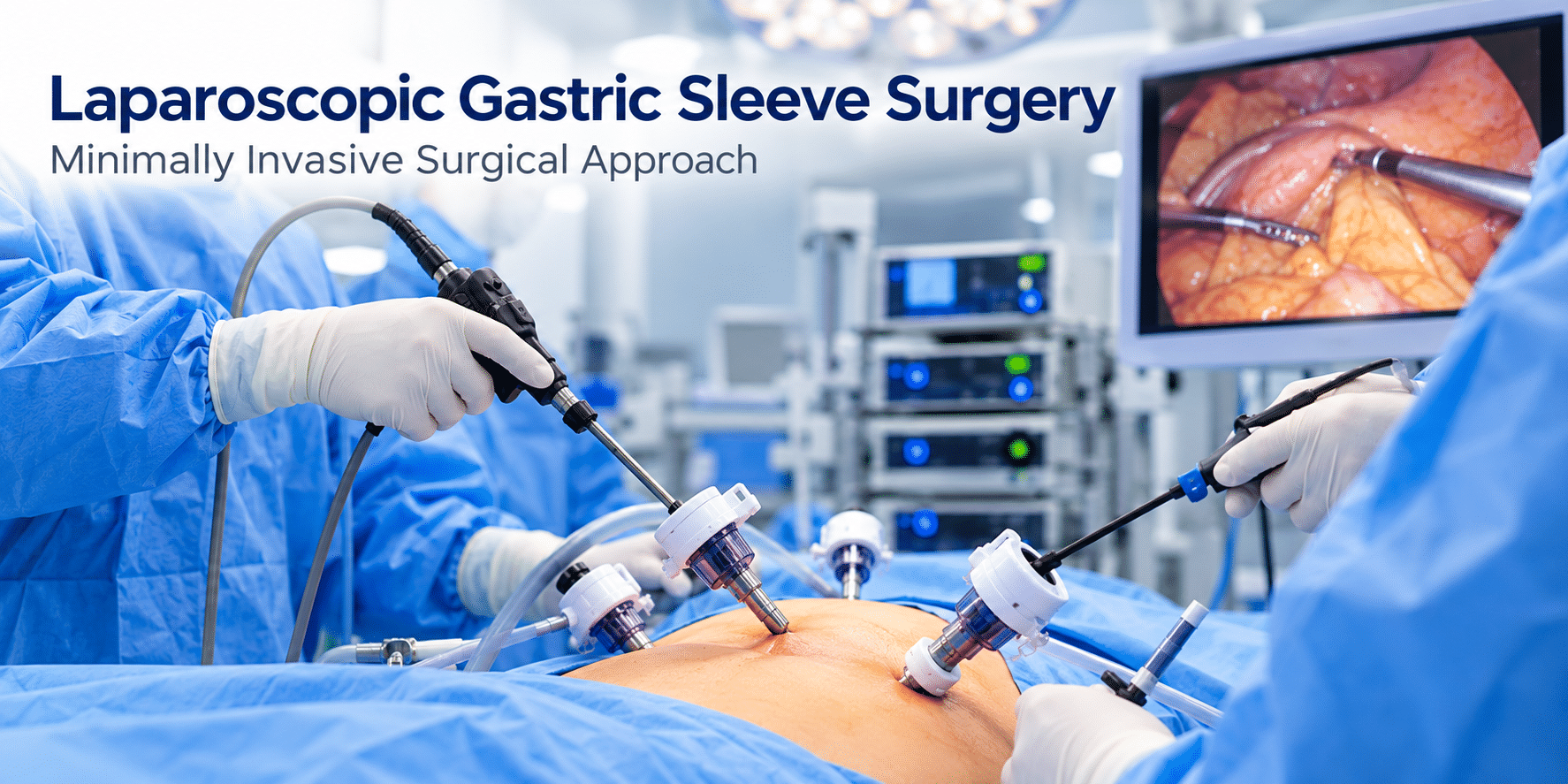
Laparoscopic gastric sleeve surgery uses small abdominal incisions, a camera and specialised instruments. Compared with open surgery, laparoscopy may reduce wound-related complications and support a faster recovery in suitable patients.
4. No Gastric Band or Intestinal Rerouting
Sleeve gastrectomy does not require an implanted gastric band or the intestinal rerouting performed during gastric bypass. However, the stomach reduction is permanent.
5. Improved Mobility and Daily Functioning
For some patients, sustained weight loss may make everyday activities more comfortable and support mobility and quality of life.
Important: The benefits and outcomes of gastric sleeve surgery differ between individuals. Your surgeon can explain the likely benefits and limitations in your particular case.
How Is Laparoscopic Gastric Sleeve Surgery Performed?
Laparoscopic sleeve gastrectomy is generally performed under general anaesthesia. The surgeon uses a camera and specialised instruments inserted through small incisions in the abdomen.
The procedure usually involves the following steps:
Step 1: Anaesthesia and Preparation
The patient receives general anaesthesia. The surgical team monitors vital signs throughout the operation.
Step 2: Small Abdominal Incisions
The surgeon makes several small incisions to introduce a camera and surgical instruments.
Step 3: Creation of the Stomach Sleeve
A large portion of the stomach is separated and removed using surgical stapling instruments. The remaining stomach forms a narrow, sleeve-shaped tube.
Step 4: Staple-Line Assessment
The surgeon assesses the staple line and operative area according to the clinical protocol.
Step 5: Postoperative Monitoring
After the procedure, the patient is monitored during recovery from anaesthesia. The healthcare team assesses pain, hydration, mobility and overall clinical progress before discharge.
The operation commonly takes approximately one to two hours, although the actual duration varies according to surgical complexity and individual circumstances.
Who Is Eligible for Gastric Sleeve Surgery?
Gastric sleeve surgery may be suitable for adults with obesity when the potential benefits outweigh the risks. Eligibility depends on BMI, medical history, obesity-related conditions and readiness for long-term lifestyle changes.
The 2022 ASMBS/IFSO guidelines recommend bariatric surgery for suitable patients with a BMI of 35 kg/m² or higher. Selected patients with a lower BMI may also be considered, depending on their medical condition and applicable clinical criteria.
Your assessment may include a review of your weight history, existing health conditions, medications, blood tests and nutritional status.
A bariatric surgeon can assess your suitability and discuss the potential benefits, risks and alternative treatments.
How Should You Prepare for Gastric Sleeve Surgery?
Preparation helps the healthcare team assess your suitability for surgery and identify factors that may affect your treatment.
Depending on your medical history, preparation may involve:
- Blood tests and other laboratory investigations.
- Assessment of existing medical conditions.
- Review of medications and allergies.
- Nutritional assessment and dietitian consultation.
- Evaluation of anaesthesia-related risks.
- Additional investigations or specialist consultations when indicated.
Your surgeon may recommend a preoperative diet, sometimes including a low-calorie or liver-reduction diet, to help reduce liver size and facilitate the procedure.
Follow the instructions provided about fasting, medications, smoking cessation and other preparations. Do not stop prescribed medication without medical advice.
What Are the Risks of Gastric Sleeve Surgery?
Gastric sleeve surgery is a major operation. Although many patients undergo the procedure successfully, complications can occur during or after surgery.
Short-Term Surgical Risks
Potential complications include:
- Bleeding during or after surgery.
- Infection.
- Adverse reactions to anaesthesia.
- Blood clots, including deep vein thrombosis or pulmonary embolism.
- Leakage from the stomach staple line.
- Injury to nearby organs or tissues.
- Narrowing of the stomach sleeve, which can affect food passage.
Long-Term Risks
Some patients may experience:
- New or worsening gastro-oesophageal reflux disease (GERD).
- Persistent nausea or vomiting.
- Difficulty tolerating certain foods.
- Nutritional deficiencies, including deficiencies in iron, vitamin B12, folate or vitamin D.
- Regain of some lost weight over time.
- The need for additional treatment or revision surgery.
Before proceeding, discuss your individual risk factors, expected outcomes, warning signs and the plan for managing possible complications with your surgeon.
Recovery After Laparoscopic Gastric Sleeve Surgery
Recovery varies depending on your general health, the surgical approach and whether complications occur.
- Hospital Stay: Many patients stay in hospital for approximately one to two days, although the duration depends on their clinical progress and the treating team’s assessment.
- First Few Days After Surgery: You will receive instructions about hydration, medication, wound care, movement and warning signs that require medical attention.
- First Few Weeks: You will gradually progress through the prescribed postoperative diet. Your healthcare team will guide you on fluid intake, protein requirements, portion sizes and the transition between diet stages.
- Long-Term Recovery: Long-term care includes regular follow-up appointments, nutritional monitoring, appropriate supplementation, physical activity and sustainable eating habits.
Some patients return to many routine activities within a few weeks, but recovery differs between individuals. Avoid strenuous activity and heavy lifting until your surgical team confirms that it is safe.
Why Consider Dr. Girish Juneja for Gastric Sleeve Surgery?
Choosing a bariatric surgeon involves more than comparing procedure prices. Patients should understand the surgeon’s qualifications, relevant surgical experience, hospital arrangements and approach to long-term follow-up.
During your consultation with Dr. Girish Juneja, discuss:
- Whether sleeve gastrectomy is suitable for your health and weight-management goals.
- The expected benefits and limitations of the procedure in your case.
- Potential complications and how they are managed.
- The hospital where the procedure would be performed.
- The dietary, nutritional and medical follow-up required after surgery.
- The complete treatment quotation and package terms.
Review the surgeon’s verified qualifications, relevant experience, hospital affiliations and available patient information before deciding on treatment.
Take the next step towards informed weight management.
Contact Dr. Girish Juneja’s team to arrange a consultation and discuss your treatment options.
Call +971 50 454 3775
Frequently Asked Questions About Gastric Sleeve Surgery
Weight loss varies according to starting weight, individual health, eating habits, physical activity and follow-up care. Your surgeon can discuss realistic expectations based on your circumstances. No specific result can be guaranteed.
It may improve blood glucose control in some patients, particularly when excess weight and insulin resistance contribute to the condition. The extent of improvement varies, and diabetes medication or ongoing treatment may still be necessary.
Yes. Some patients develop new or worsening acid reflux after sleeve gastrectomy. Patients with significant pre-existing reflux should discuss this risk and alternative bariatric procedures with their surgeon.
Like all major operations, sleeve gastrectomy carries risks, including bleeding, infection, staple-line leakage, blood clots and nutritional deficiencies. A comprehensive assessment and appropriate surgical and postoperative care help manage risks but cannot eliminate them.
Package inclusions vary by provider. Ask for written confirmation of surgeon fees, anaesthesia, hospital stay, investigations, medications and follow-up care, along with a list of exclusions and potential additional charges.
The price depends on the hospital, surgeon’s fees, investigations, length of stay and package inclusions. Contact the provider for a current quotation based on your treatment requirements.
Watch: Sleeve Gastrectomy Explained
Watch the approved video below for a brief explanation of sleeve gastrectomy, including how the procedure works and how it supports weight management.
Medical Disclaimer
This page is for general educational purposes and does not replace medical advice. Suitability, risks and expected outcomes must be assessed individually by a qualified healthcare professional.
