
Medical Weight Loss Injections in Dubai
A Safe, Expert-Guided Path to Your Goals.
Doctor Supervision and Side Effect Management.
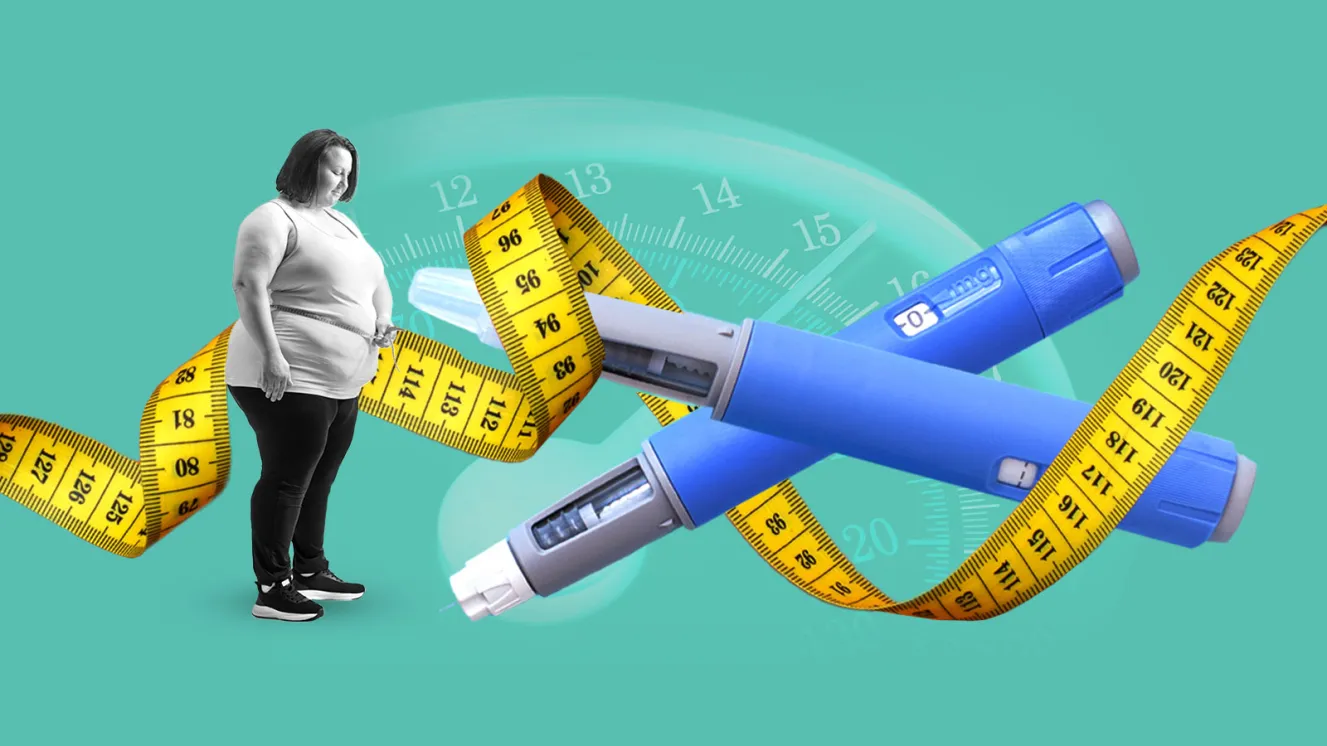
Achieving a healthier weight is not always as simple as eating less or exercising more. Weight can be influenced by appetite, metabolism, hormonal factors, medical conditions, medications, lifestyle and previous weight-loss attempts.
For adults who have struggled to achieve sustainable weight loss through lifestyle changes alone, medically supervised weight management in Dubai may provide an additional treatment option.
Dr. Girish Juneja, a specialist bariatric surgeon in Dubai, offers personalised medical weight management for eligible patients, including prescription weight loss medications and non-surgical treatment approaches where clinically appropriate.
Every treatment journey begins with a detailed medical consultation. Your BMI, health history, existing conditions, medications, previous weight-loss efforts and individual goals are considered before a treatment plan is recommended.
Weight Loss Injections in Dubai
Prescription weight loss injections have become an important part of modern medical weight management for appropriately selected patients.
These medications work through hormonal pathways involved in appetite, satiety and glucose regulation. Depending on your medical profile and eligibility, Dr. Girish may consider an appropriate prescription medication as part of a broader weight-management programme.
Treatment is always individualised. The medication, dose, frequency and duration of treatment are determined following medical assessment.
Mounjaro (Tirzepatide)
A once-weekly prescription medication that acts on GIP and GLP-1 pathways to support appetite regulation and glucose control. Prescribed according to individual medical needs.
Wegovy (Semaglutide)
A once-weekly prescription medication that acts on GLP-1 pathways to support appetite regulation and food intake. Prescribed according to individual medical needs.
Ozempic (Semaglutide)
A once-weekly prescription medication containing semaglutide, primarily indicated for type 2 diabetes management. Use is determined by individual medical needs and physician assessment.
Saxenda (Liraglutide)
A once-daily prescription medication that acts on GLP-1 pathways to support appetite regulation and weight management. Prescribed and adjusted according to individual medical needs.

Which Weight Loss Injection Is Right for You?
Choosing a weight loss medication should not be based solely on the popularity of a particular brand or the experiences of another person.
At your consultation, Dr. Girish considers several factors, including:
- BMI and weight-management history
- Existing medical conditions
- Current medications
- Previous weight-loss attempts
- Relevant blood tests and investigations
- Lifestyle and nutritional factors
- Treatment expectations and individual goals
Following your assessment, the appropriate treatment options can be discussed with you, including their potential benefits, limitations, risks and ongoing monitoring requirements.
Prescription weight loss medication should only be started following appropriate medical assessment and under qualified medical supervision.
How Medical Weight Loss Injections Work
Several prescription weight-management medications act on naturally occurring hormones involved in appetite, satiety and metabolic regulation.
Depending on the medication, treatment may:
- Help regulate appetite: Certain medications act on appetite-related pathways and may reduce hunger and food intake.
- Support feelings of fullness: Some treatments influence gastric emptying and satiety, which may help you feel fuller after eating.
- Influence glucose and metabolic pathways: Certain medications also affect glucose regulation and other metabolic processes.
The way you respond to treatment depends on your medication, dose, health profile, adherence and other individual factors.
For this reason, medical weight management should be approached as a long-term health strategy rather than a short-term solution.
A Complete Medical Weight Management Programme in Dubai
At Dr. Girish Juenja’s practice, medication is considered one part of a broader approach to weight management.
01 — Comprehensive Medical Assessment
Your journey begins with a consultation focused on understanding your weight, health and previous treatment history.
Your BMI, medical history, existing conditions and current medications are reviewed. Blood tests, ultrasound or other investigations may be recommended where clinically appropriate.
02 — Personalised Treatment Planning
If medication is clinically appropriate, Dr. Juneja will discuss the available treatment options with you.
Your prescribed medication, starting dose and treatment schedule are determined according to your individual clinical requirements.
03 — Ongoing Medical Monitoring
Weight management does not end when medication is prescribed.
Regular follow-up allows your progress, treatment response and tolerability to be reviewed. Your treatment plan may be adjusted when clinically indicated.
04 — Nutrition & Lifestyle Guidance
Sustainable weight management also involves everyday habits.
Depending on your individual needs, your programme may include guidance related to nutrition, physical activity and lifestyle changes that support long-term weight management.
Medical Weight Loss in Dubai: What Can You Expect?
A medically supervised programme is designed around your health rather than a generic weight-loss formula.
During treatment, your physician may monitor:
- Weight and BMI: To assess changes over time.
- Treatment response: To understand how your body is responding to the prescribed medication.
- Tolerance and side effects: To identify symptoms that may require medical attention or treatment adjustment.
- Lifestyle factors: To identify practical changes that can support your overall weight-management plan.
- Long-term maintenance: To help establish sustainable habits alongside medical treatment.
Individual results vary, and treatment does not guarantee a specific amount or rate of weight loss.
Safety & Side Effects of Weight Loss Injections
Like all prescription medications, weight loss injections can have potential side effects and may not be suitable for everyone.
Depending on the medication, commonly reported gastrointestinal effects may include:
- Nausea
- Vomiting
- Diarrhoea
- Constipation
- Abdominal discomfort
- Reduced appetite
- Fatigue
Side effects can vary from person to person and may also depend on the medication and prescribed dose.
Before treatment begins, Dr. Girish Juneja will review the relevant precautions, contraindications, potential medication interactions and risks associated with your prescribed treatment.
If you experience persistent or concerning symptoms, seek medical advice promptly.
Do not start, stop or change the dose of prescription weight loss medication without medical advice.
Cost of Weight Loss Injections in Dubai
Understanding the cost of weight loss injections in Dubai is an important part of planning your treatment.
Treatment costs can vary depending on:
- Medication prescribed
- Dosage
- Treatment duration
- Required medical assessments
- Follow-up requirements
- Individual clinical needs
Indicative Monthly Cost
Medical weight management packages may range from approximately AED 1,200 to AED 2,800 per month, depending on the prescribed medication and dosage.
The final cost is confirmed after your consultation and depends on your individual treatment plan.
Where additional investigations or medical services are clinically required, these may involve additional charges.
For accurate pricing based on your treatment plan, please speak with our clinical team.
Begin Your Weight Management Journey in Dubai
If you have been considering medical weight loss in Dubai or are looking for a medically supervised approach to weight management, a consultation is the first step.
Dr. Girish Kumar Juneja can assess your individual circumstances and discuss whether prescription medication, lifestyle-based treatment, endoscopic intervention or bariatric surgery may be appropriate.
Medical Disclaimer & References
This content is for general information only and does not replace medical advice. Prescription weight-management treatments require individual medical assessment. Treatment and results vary by patient.
- Jastreboff AM, et al. Tirzepatide Once Weekly for the Treatment of Obesity. NEJM. 2022;387:205–216. DOI: 10.1056/NEJMoa2206038.
- Wilding JPH, et al. Once-Weekly Semaglutide in Adults with Overweight or Obesity. NEJM. 2021;384:989–1002. DOI: 10.1056/NEJMoa2032183.
- Pi-Sunyer X, et al. A Randomized, Controlled Trial of 3.0 mg of Liraglutide in Weight Management. NEJM. 2015;373:11–22. DOI: 10.1056/NEJMoa1411892.
Medication use should follow current approved prescribing information and physician guidance.
FAQ
It depends on your BMI and health history. For some, Magnetic / sleeve / bypass weight loss surgery is the permanent answer. For others, injections are the perfect “kickstart” or alternative to surgery.
Some patients feel a bit of nausea, vomiting / heartburn or “stomach fullness” in the first week. We start with a low dose to make sure your body adjusts comfortably.
Indicative monthly treatment packages may range from AED 1,200 to AED 2,800, depending on the medication and prescribed dosage. The final cost varies according to your individual treatment plan and any additional clinically required services.
Weight loss varies significantly between individuals. Your response can depend on the prescribed medication, dosage, adherence, nutrition, physical activity, medical history and other factors. A specific amount or timeframe cannot be guaranteed.
Properly administering a weekly weight loss injection (such as Wegovy, Zepbound, or Ozempic) is a straightforward process once you know the steps. These are subcutaneous injections, meaning they go into the fatty tissue just under the skin, not into a muscle or vein.
